
Introduction to Photovoltaic Panel Recycling
As the adoption of solar energy accelerates worldwide, the need for sustainable end-of-life solutions for photovoltaic (PV) panels becomes increasingly important. Recycling PV panels not only mitigates potential environmental hazards but also recovers valuable materials, contributing to a circular economy. However, the cost of PV panel recycling machines can vary significantly, influenced by a range of factors. Understanding these factors is crucial for manufacturers, investors, and policymakers aiming to optimize the economic viability of PV recycling.
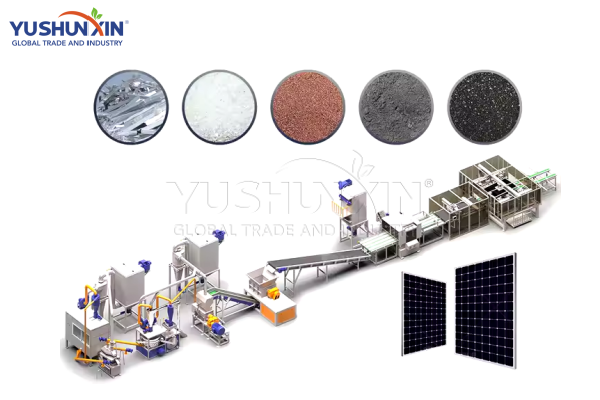
Technological Complexity
One of the primary factors influencing the cost of a PV panel recycling machine is its technological complexity. Machines equipped with advanced technologies that enable efficient separation and recovery of materials, such as silicon, glass, and metals, tend to be more expensive. Features like automated sorting systems, precision cutting tools, and sophisticated material recovery processes increase the initial investment but can enhance the efficiency and yield of the recycling operation. The level of automation and integration of cutting-edge technologies directly impacts the machine’s overall cost.
Capacity and Throughput
The capacity and throughput of a recycling machine also play a significant role in determining its cost. Higher capacity machines, capable of processing large volumes of PV panels, generally require more robust construction and advanced engineering, leading to increased costs. However, higher throughput machines can achieve economies of scale, reducing the cost per unit of processed material over time. Operators must balance the initial investment against the expected volume of panels to determine the most cost-effective solution for their specific needs.
Material Composition and Diversity
The diversity of materials used in PV panels affects the design and cost of recycling machines. Different types of solar panels, such as crystalline silicon and thin-film, contain varying materials that require specific recycling approaches. Machines designed to handle a wide range of material compositions may incorporate multiple processing stages, adding to the complexity and cost. Additionally, advances in PV technology, leading to new material compositions, can necessitate machine upgrades or redesigns, affecting long-term costs.
Regulatory and Compliance Requirements
Regulatory and compliance requirements can also impact the cost of PV panel recycling machines. In regions with stringent environmental and safety regulations, machines may need additional features such as advanced emission controls, safety mechanisms, and waste management systems. Compliance with these regulations ensures safe and environmentally friendly operations but can increase the cost of recycling equipment. Manufacturers and operators must consider these factors when assessing the total cost of ownership.
Market Demand and Supply Chain Factors
Finally, market demand and supply chain considerations influence the cost of PV panel recycling machines. Fluctuations in demand for recycled materials, such as glass and silicon, can affect the economic feasibility of recycling operations. Furthermore, supply chain factors, including the availability and cost of raw materials and components for machine manufacturing, play a role. Economic conditions, trade policies, and technological advancements can all impact the market dynamics and, consequently, the cost of recycling equipment.
Conclusion
The cost of photovoltaic panel recycling machines is shaped by a complex interplay of factors, including technological complexity, capacity, material diversity, regulatory requirements, and market dynamics. By understanding these factors, stakeholders can make informed decisions that balance initial investment with long-term operational efficiency and sustainability. As the solar industry continues to grow, optimizing the cost and effectiveness of PV panel recycling will be essential for achieving a sustainable energy future. Visiting: https://www.solutionsforewaste.com/product/solar-panel-recycling-plant-cost/
Leave a Reply