
Introduction to Solar Panel Recycling
As the world increasingly turns to renewable energy sources, solar power has emerged as a leading contender in the push for sustainable energy solutions. However, with the rise in solar panel installations comes the inevitable need to address their end-of-life management. The establishment of a solar panel recycling plant not only addresses environmental concerns but also presents a lucrative business opportunity. Here’s a comprehensive guide on how to start a solar panel recycling plant.
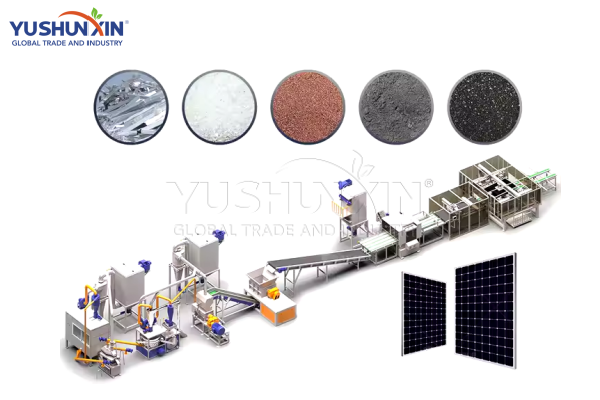
Understanding the Solar Panel Lifecycle
- Lifecycle and Waste Management
Solar panels typically have a lifespan of about 25 to 30 years. As the first generations of solar panels reach the end of their lifecycle, the volume of solar waste is expected to increase significantly. Properly managing this waste is crucial to mitigate environmental impact. Recycling plants help in recovering valuable materials like silicon, silver, and aluminum, which can be reused in manufacturing new panels.
- Current Recycling Techniques
Before establishing a plant, it’s essential to understand the current recycling techniques. These methods typically involve dismantling the panels, separating the components, and reclaiming materials. Techniques such as mechanical processing, thermal processing, and chemical processes are commonly used, each with its advantages and challenges.
Steps to Establish a Solar Panel Recycling Plant
- Market Research and Feasibility Study
The first step in setting up a recycling plant is conducting thorough market research and a feasibility study. Assess the demand for recycling services, available technologies, potential competitors, and regulatory requirements. Understanding these factors will help in determining the plant’s viability and scope.
- Securing Funding and Investment
Starting a recycling plant requires significant capital investment. Funding can be secured through various means, including government grants, private investors, or loans. Presenting a solid business plan that highlights the potential returns on investment, environmental benefits, and job creation can attract investors.
- Site Selection and Infrastructure
Choosing the right location is critical for logistical efficiency and cost-effectiveness. Consider proximity to solar panel manufacturing facilities, ease of access for transportation, and availability of skilled labor. The infrastructure should include areas for dismantling, storage, and processing, equipped with necessary safety and environmental controls.
Regulatory Compliance and Environmental Impact
- Navigating Legal Requirements
Compliance with local, national, and international regulations is paramount in the recycling industry. This includes obtaining necessary permits, adhering to waste management laws, and meeting environmental standards. Engaging with regulatory bodies early in the planning process can prevent legal challenges and ensure smooth operations.
- Minimizing Environmental Impact
While recycling solar panels is an eco-friendly endeavor, the process itself should also minimize environmental impact. Implement sustainable practices such as waste reduction, energy-efficient operations, and pollution control measures. This not only aligns with environmental goals but also enhances the plant’s reputation.
Conclusion
Establishing a solar panel recycling plant is a forward-thinking venture that addresses a critical aspect of the renewable energy lifecycle. By understanding the market, securing funding, navigating regulations, and committing to sustainable practices, entrepreneurs can build a successful business that contributes to environmental sustainability and the circular economy. As the solar industry continues to grow, so too will the opportunities for innovation and impact in solar panel recycling. Visiting: https://www.solutionsforewaste.com/product/solar-panel-recycling-machine/
Leave a Reply