
The global surge in solar energy is a cornerstone of the clean energy transition. However, this success brings a looming challenge: what happens to photovoltaic (PV) panels at the end of their 25-30 year lifespan? With millions of tons of solar panel waste projected in the coming decades, responsible end-of-life management is critical. The solution lies not in landfill disposal, but in advanced solar panel recycling machines that transform decommissioned panels into valuable, reusable materials, closing the loop for a truly sustainable solar industry.
The Composition of a Solar Panel: A Treasure Trove of Materials
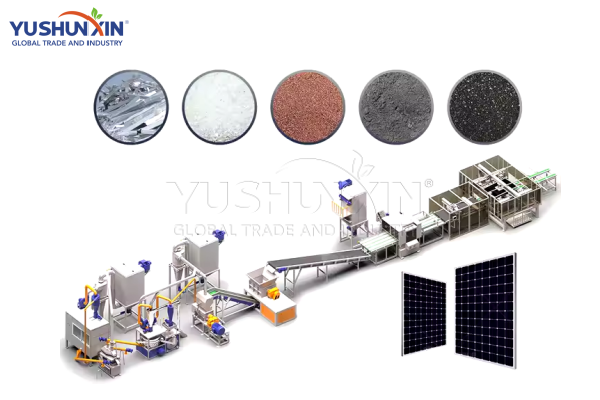
Understanding what’s inside a panel is key to appreciating the recycling process. A standard crystalline silicon PV panel is a layered composite of highly valuable materials. It typically consists of an aluminum frame, a glass sheet, silicon solar cells, a polymer encapsulant (usually EVA), and a plastic backsheet. Crucially, the cells contain precious metals like silver and copper, as well as high-purity silicon. An efficient recycling machine doesn’t just crush this mix; it carefully separates each component for maximum recovery and purity.
The Mechanical and Thermal Recycling Process
Modern recycling solutions employ a multi-stage, automated process. First, machines automatically remove the aluminum frame and junction box, which can be directly recycled. The remaining laminate then enters a shredding or cutting unit to reduce size. The core innovation lies in the subsequent separation stage. Advanced systems use a combination of mechanical, thermal, and chemical techniques. A common method involves thermal processing, where the shredded material is heated in a controlled environment to around 500°C. This pyrolysis process burns off the plastic encapsulant, freeing the glass and silicon cells. The remaining fragments are then further separated through vibratory screening and electrostatic separation to isolate high-purity glass cullet, silicon powder, and valuable metal concentrates.
The Output: Closing the Resource Loop
The output of a sophisticated recycling plant is not waste, but feedstock for new industries. The high-quality glass can be remelted for new panels or glass wool insulation. The recovered silicon and metals can be purified and reintroduced into the supply chain for new PV cells or electronics, reducing the need for energy-intensive mining of virgin materials. Even the processed polymers can be used for energy recovery. This circular approach conserves finite resources, reduces environmental impact from mining, and enhances the energy security of the solar industry by creating a domestic source of critical materials.
Economic and Environmental Imperative
Investing in solar panel recycling machinery is no longer just an environmental consideration; it’s an economic necessity. Regulations, like the EU’s WEEE Directive, are mandating producer responsibility. Recycling machines turn a compliance cost into a potential revenue stream by recovering and selling valuable commodities. Furthermore, by securing a secondary supply of materials like silver and silicon, the industry buffers itself against volatile global commodity prices. Ultimately, these machines are the essential infrastructure that ensures solar energy remains a green solution from installation through to decommissioning, solidifying its role in a circular economy. Visiting: https://www.solutionsforewaste.com/product/solar-panel-recycling-plant-cost/
Leave a Reply