
Turnkey delivery simplifies the commercial relationship, yet the project still contains interfaces between the contractor, the civil works, the utilities and the operating team, and you, as a project director or as a recycling company owner, manage those boundaries before they become claims. A turnkey black mass recovery process solution defines who supplies each utility, who installs each cable tray and who owns each acceptance test. Clear interface management keeps the schedule inside the agreed dates.
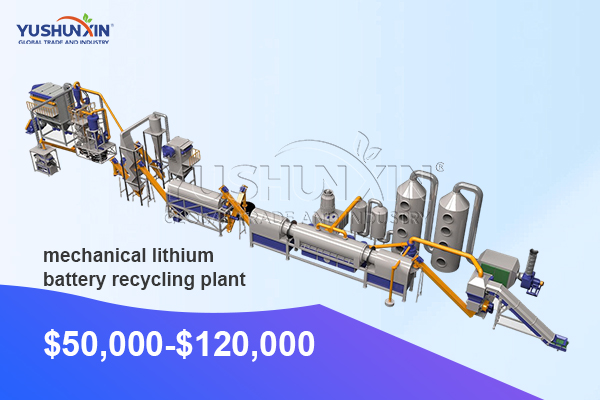
Which interfaces appear in a black mass recovery project?
The first interface sits between the battery discharge station and the shredder, because the feeding rate of one unit limits the other. The second interface connects the pyrolysis or drying section to the separation stage, and that boundary defines the moisture and the temperature of the material. The third interface links the dust collection system to the building ventilation. Your project office registers each interface with an owner, a drawing and a date, and that register becomes the agenda of the weekly meeting.
How do you define responsibility for utilities?
The interface matrix states whether the contractor or the plant owner provides power, water, compressed air, steam and drainage at each battery limit. A black mass recovery project interface management schedule also defines the tie in sequence, because the host plant may allow only short shutdown windows. Your engineering team verifies the capacity of each utility against the final equipment list. The written matrix then removes the verbal assumptions that cause delay.
How do you control quality at the boundaries?
Each interface carries a defined test, such as a flow check, a pressure test or a particle size analysis. A black mass separation line design review confirms that the output of one stage matches the input range of the next, and that match protects the recovery rate. Your quality team records the test result before the following stage starts, and that record supports the final acceptance. The contractor and the owner sign each interface certificate as the project advances.
How do you close the project with a clean handover?
Handover includes the as built drawings, the test records, the spare part list and the training record for the operating team. A battery pyrolysis disposal project interfaces review verifies that every interface works under production load rather than during a short trial. Your project director then releases the final payment against the measured performance of the line. The documented closure also supports the warranty discussion during the first operating year.
Conclusion for project directors and recycling company owners
Interface discipline converts a turnkey contract into a predictable project, because responsibility stays clear at every boundary. A black mass recovery project integrator that provides interface matrices, drawings and commissioning support reduces the coordination effort that the owner would otherwise carry. Sound project management also keeps the cash flow aligned with the physical progress of the site. If your team needs a reference for the interface register and the equipment scope, you can learn more about https://www.sxlbp.com/technology/lithium-battery-pyrolysis-disposal-process/ before the kick off meeting.