
A turnkey black mass recovery process plant moves from contract signature to steady production through engineering, procurement, construction and commissioning, and every stage carries a fixed duration that the owner must respect. You, as a recycling company manager or as an environmental engineering contractor, protect the handover date when the interfaces between the equipment supplier, the civil contractor and the local authority stay visible from the first working week. The turnkey black mass recovery process plant scope therefore opens with a programme that links each delivery date to the commissioning window of the battery recycling line.
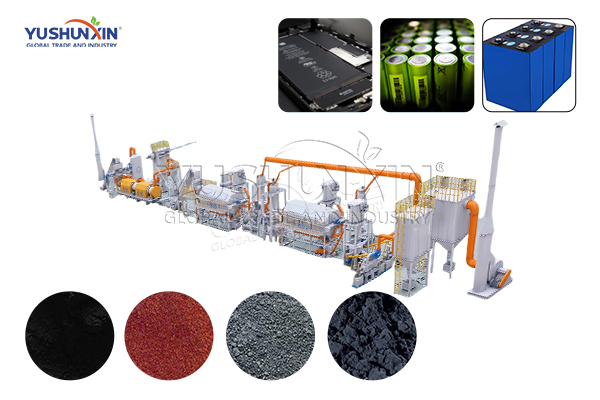
Which interfaces decide the schedule of a black mass recovery project?
The foundation slab, the power supply and the used lithium battery handling area occupy the first block of the programme, because the mechanical treatment line cannot arrive before the floor reaches its design strength. A keeping a black mass recovery project on schedule exercise begins with the interface register, where one engineer owns each handover date. That register removes the disputes that appear when two contractors share the same wall, and it also fixes the day on which the civil package releases the site for equipment installation. The civil works cover drainage, fire protection and the ventilation of the battery storage zone, and those items follow the local permit conditions rather than the vendor drawing.
How does feedstock preparation influence the processing timeline?
The composition of the incoming lithium battery packs defines the storage volume and the feeding rhythm of the disposal process, and a plant that receives mixed chemistry requires a larger buffer area. You sample each delivery and classify the modules before the shredder accepts the material, and that classification keeps the pyrolysis treatment route inside its design window. A pre-sorting station with a discharge system and a conveyor reduces the downtime that a jammed feed creates, and the same station protects the operators who handle damaged cells. A hydrometallurgical battery recycling plant route offers a useful reference for the material balance that the pre-sorting data must support.
Which equipment deliveries form the critical path?
The shredder, the pyrolysis reactor, the condenser set and the sieving unit arrive on different dates, and the reactor normally carries the longest lead time of the whole battery recycling plant. schedule control for a black mass recovery plant therefore treats the reactor as the milestone that governs every other purchase order. You freeze the technical specification four weeks before the order, because a late change restarts the fabrication queue. The critical path method helps the project office show the lender which delivery carries float and which one does not. A modular battery disposal line allows the contractor to install the mechanical section while the thermal section remains in production, and that sequence protects the overall duration of the project.
How does commissioning planning protect the handover date?
Cold commissioning verifies the wiring, the interlocks and the rotation of each drive, and that stage finds the defects that a visual inspection cannot reveal. Hot commissioning then proves the throughput of the black mass handling system with real feedstock, and the performance test records the recovery rate that the contract promises. You invite the operators to the same session, because the training hours spent during commissioning replace the production hours that a trial-and-error start would consume. The permit file and the spare parts list also close during this window, and a plant that completes both items receives its operating licence without a second visit.
How do progress reports keep investors and authorities informed?
A monthly report compares the actual progress with the baseline programme and lists the mitigation that the project office has already applied, and that document supports the drawdown schedule of the loan. You attach the milestone certificates of the battery recycling machine packages and the inspection records of the treatment equipment, and the lender then releases a tranche without a site visit. The environmental authority receives the same mass balance data, and the consistency between the two submissions shortens the final inspection. The same report tracks the recruitment of the shift team, because an unstaffed control room delays the start as effectively as a missing machine.
Conclusion for recycling companies and project developers
A disciplined programme converts the supply of lithium battery feedstock into a predictable production date, and that predictability supports both the gate fee agreement and the offtake contract for the recovered black mass. A battery recycling project schedule advisors team that supplies the interface register, the commissioning protocol and the reporting template helps the owner keep the promise made to the bank. The demand for battery disposal capacity keeps growing across the region, and a plant that starts on time captures that demand first. If your team needs a reference for the process route and the delivery plan, you can learn more about https://www.sxlbp.com/technology/lithium-battery-pyrolysis-disposal-process/ before the next steering committee.