
A waste tire pyrolysis process converts scrap tires into recovered oil, gas and carbon black, and the payback of the investment follows the price of those three products as closely as it follows the plant capacity. You, as a recycling company manager or as a project investor, examine the waste tire pyrolysis process as a cash flow model before the purchase order leaves the office. That model shows which cost item the operator controls and which item depends on the regional market.
Which cost items shape the payback of a waste tire pyrolysis plant?
The capital cost of the reactor, the condensing train, the gas cleaning section and the tire shredding line forms the first block, and the civil works and the installation form the second. A payback of a waste tire pyrolysis plant calculation separates those two blocks, because a supplier quotation rarely includes the site work. You also add the working capital that covers the first months of tire collection, and that amount often surprises the investor who reads only the equipment price. The financing cost then follows the schedule of the construction.
How do product revenues change the return of the pyrolysis process?
The recovered oil, the steel wire and the recovered carbon black leave the plant as saleable streams, and the local market decides the price of each one. You compare the specification that a rubber producer accepts with the specification that a fuel blender accepts, because the two buyers pay different amounts for the same tonne. A cost factors behind tire pyrolysis payback review also tests a lower oil price, and that test shows whether the project survives a market correction. The gas that returns to the burner reduces the external fuel bill and therefore protects the same return.
Which operating cost items decide the daily margin?
The labour cost, the electricity for the shredder and the reactor, the maintenance of the seals and the disposal of the solid residue appear every day, and the operator controls all four items. A waste pyrolysis recycling solution scope study measures the material handling effort, because a plant without adequate tire storage spends paid hours on loading and unloading. You record the daily throughput and the daily consumption together, since a margin that falls while the tonnage rises points to an equipment problem. The maintenance interval of the reactor wall then becomes a planning decision instead of an emergency.
How does the equipment configuration affect the payback period?
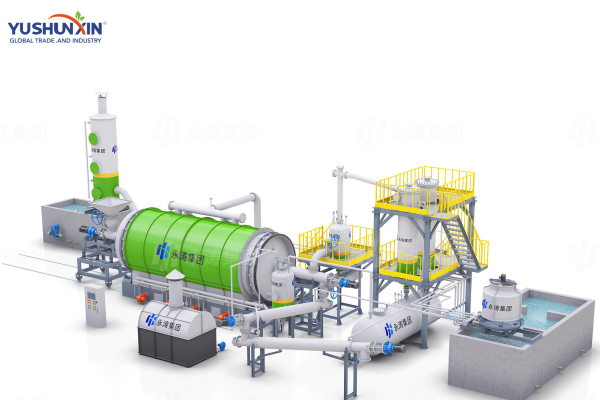
A batch configuration requires less capital at the start, and a continuous configuration delivers a higher throughput for each operating hour of the pyrolysis plant. A pyrolysis oil that meets a defined specification reaches a wider group of buyers, and that range supports the throughput assumption of the model. You compare both routes against the local tire supply, because a plant that cannot fill its capacity never reaches the payback date in the model. The gas treatment and the dust collection systems also differ in cost, and the permit conditions of the site decide the minimum scope. A configuration that matches the available tire volume protects the investor better than a larger plant that operates at half load.
Which financial indicators show the real progress of the project?
The net cash flow, the payback period and the internal rate of return follow the operating data, and a monthly update keeps the lender informed. You separate the profit that comes from the disposal fee from the profit that comes from the product sales, because the two streams respond to different contracts. The plant then shows which revenue line needs a new customer and which line already performs. A conservative model that survives a price drop gives the project a better position in the negotiation with the bank.
Conclusion for recycling companies and project investors
The payback of a tire pyrolysis investment depends on the capital structure, the product prices and the daily operating discipline, and no single factor decides the result alone. A tire pyrolysis project analysts team that supplies the mass balance, the energy balance and the market assumptions helps the investor build a model that reflects the real plant. The volume of scrap tires keeps growing in most regions, and the operator that controls its cost structure serves that volume with a stable margin. If your team needs a reference for the process configuration and the investment scope, you can learn more about https://solutionsforewaste.com/pyrolysis-investment/ before the next board meeting.