
The solar silver recovery solution market demand in Africa follows the installed base of photovoltaic plants, the age of those plants and the industrial capacity that can process the recovered material. You, as a project investor or as a recycling company manager, examine the solar silver recovery solution market demand with the regional data before the equipment order. The opportunity appears only where the module volume and the buyer network meet.
Which factors define the African market size?
The installed capacity of utility-scale and rooftop systems, the average module age and the national policy on photovoltaic waste define the supply side. An africa solar silver recovery market review also examines the demand side, because the recovered glass, aluminium and silver need a local or export buyer. You compare the two sides in one table, and that table shows whether a region offers a real opportunity. The distance to the port then adjusts the result.
How does the regional supply support a plant?
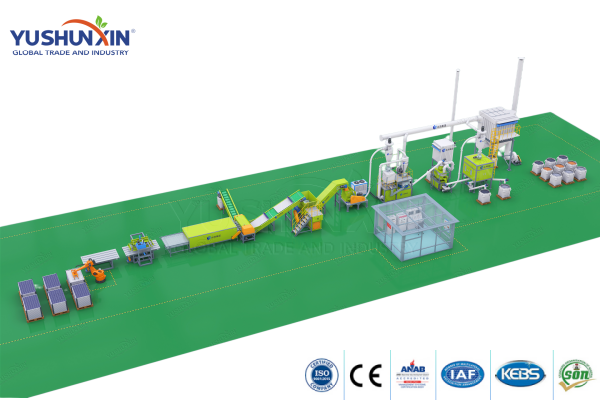
A plant of moderate capacity needs a steady flow of modules, and that flow comes from the utilities, the installers and the importers of used equipment. A silver recovery line for african projects adapts the layout to a container-based delivery, and that adaptation reduces the construction period. You sign a collection agreement before the order, because a plant without feedstock cannot reach its design rate. The storage then covers the months in which the supply slows.
How does the buyer network affect the demand?
The glass works, the metal trader and the refiner form the three buyers that decide the revenue, and a region without at least one of them loses part of the value. A market demand for silver recovery in africa study prices each output with a real quotation, because a theoretical buyer does not pay the invoice. You also examine the export route for the silver concentrate, since that fraction travels well. The revenue line then reflects the actual market.
How does the investor test the opportunity?
A letter of intent from one collector and one buyer demonstrates that the plant has both a supply and a market. You visit three sites during the study phase, and those visits reveal the condition of the modules and the cost of transport. The financial model then uses a conservative price and a realistic utilisation. The decision to invest arrives after that adjustment.
Conclusion for project investors and recycling companies
The African opportunity is real where the module volume, the plant capacity and the buyer network align, and a local survey protects the investment from an optimistic forecast. A africa pv recycling market advisors team that supplies the supply survey, the buyer study and the cost model helps the investor size the plant. The volume of end-of-life modules keeps rising across the continent, and the company that starts early secures both the supply and the outlets. If your team needs a reference for the line configuration and the market scope, you can learn more about https://www.spdsx.com/product/solar-panel-recycling-equipment-cost/ before the next investment review.