
A battery material recycling line project delivery creates value beyond the balance sheet, and a social impact assessment measures that value in a form that a public body can compare. You, as a municipal planner or as a recycling company manager, examine the battery material recycling line project delivery against the regional targets before the approval. The assessment then supports the funding application and the community consultation.
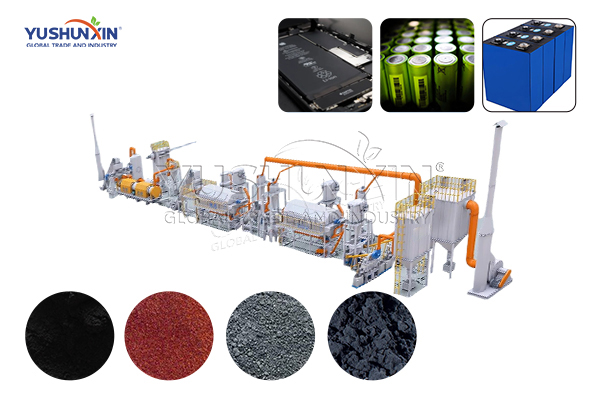
Which social benefits can the project document?
The diversion of hazardous batteries, the local jobs and the reduction of transport emissions form the three benefits that the region can verify. The social benefits of a battery material recycling line also include the industrial skills that the operator team develops, and those skills remain in the region after the plant starts. You measure each benefit with an indicator that the authority already tracks, and that choice avoids a parallel reporting system. The report then fits the public programme.
How does the project deliver the benefits?
The collection network brings the packs to the plant, the line recovers the metal and the black mass, and the operator reports the tonnage each month. The battery recycling technology benefits appear in the diversion rate and in the product value, and both figures are measurable. You agree the reporting format before the plant starts, and that agreement avoids a late dispute. The community benefits of a battery recycling project then reach the residents as cleaner streets and local employment.
How does the region compare the project with alternatives?
A comparison with the landfill route and with the export route shows the benefit that the local plant adds, and that comparison gives the council a clear basis. You value the avoided transport and the avoided disposal fee, and those two figures usually dominate the case. The social assessment also records the jobs and the skills, because those effects matter to the community. The comparison then supports the decision.
How does the project verify the result?
A monthly report with the tonnage, the jobs and the diversion rate gives the authority the evidence it needs. You compare the report with the target of the programme, and the comparison shows whether the project stays on track. The plant also publishes a short summary to its neighbours, and that summary reduces the tension that a new facility often creates. The council then renews the operating agreement.
Conclusion for municipal planners and recycling companies
Social benefits become credible when the project measures them with the indicators that the authority already uses and reports them on schedule. A battery recycling project benefits advisors team that supplies the indicator set, the reporting template and the comparison with alternatives helps the programme present a complete case. The supply of spent batteries keeps growing, and the region that documents the benefit attracts the support it needs. If your team needs a reference for the process configuration and the project scope, you can learn more about https://solutionsforewaste.com/lithium-battery-recycling-plant/ before the next council review. The same report also supports the annual review of the programme, and that review keeps the public funding aligned with the measured result instead of the original forecast.