
A battery material recycling line environmental impact assessment identifies the dust, the gas and the effluent that the plant produces, and each of those streams receives a limit in the permit. You, as a recycling company manager or as an environmental engineer, examine the battery material recycling line environmental impact assessment before the equipment order. The air pollution control equipment then becomes part of the process design. The environmental team also tracks the pressure drop of the dust collector, the pH of process water and the calibration records of gas sensors, because those measurements show when the treatment system needs service before battery material recycling equipment approaches an operating limit.
Which emission sources does the line create?
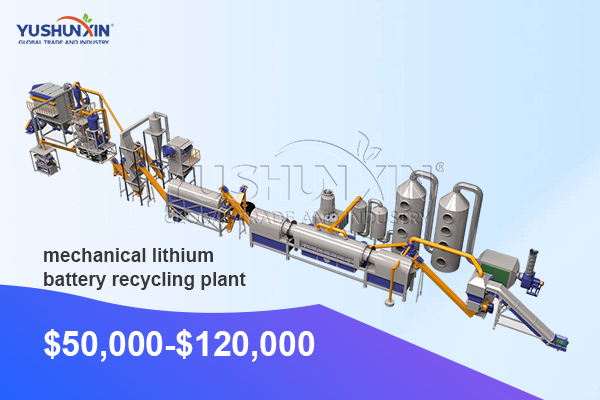
The shredding stage releases fine dust, the thermal stage releases a gas that carries volatiles and the hydrometallurgical section releases an effluent with metal salts. Emission control for a battery material line therefore covers three separate treatment units, and each unit requires its own monitoring record. You measure the flow of each stream, and those values size the equipment. The design then covers the real sources.
How does the plant stay inside the limits?
A cyclone and a bag filter capture the dust at the shredder, and a scrubber removes the acid components of the thermal gas. The pyrolysis emission control for batteries design also monitors the pressure drop of the filter, because a clogged bag reduces the airflow and lets the dust settle. You keep a spare set of bags on site. The plant then stays inside the limit during every shift.
How does the permit shape the operation?
The environmental limits for battery recycling fix the sampling frequency and the record that the operator must keep, and those two items become part of the operating procedure. You train the shift team on the response to a reading close to the limit. The permit also names the laboratory that performs the analysis. The plant then avoids a stop during the inspection. The process team reviews water balance and waste residue together with black mass output, because a clean battery material line needs every output stream under control.
How does the plant document the result?
A monitoring plan with the sampling points, the frequency and the record format answers the questions of the inspector. You keep the operating log and the laboratory results in one file, because the auditor reconstructs the year from those sources. The plant that reports the emission per tonne demonstrates an improvement rather than a single reading. The authority then renews the permit with evidence. A monthly review compares energy use, chemical consumption and treatment cost with production, and that comparison identifies the operating step with the greatest improvement potential.
Conclusion for recycling companies and environmental engineers
Compliance protects the licence and the licence protects the revenue, and the three treatment units keep the battery line inside its limits. A battery line emission advisors team that supplies the source list, the treatment layout and the monitoring plan helps the operator meet the permit. The supply of spent batteries keeps growing, and a compliant plant serves that supply for years. If your team needs a reference for the process route and the compliance scope, you can learn more about https://www.sxlbp.com/technology/hydrometallurgical-lithium-battery-recycling-plant/ before the next permit review.