
A public lithium battery recycling project needs a financing model that matches construction risk, collection risk and the long life of the recovery plant. The lithium battery recycling plant capex covers battery storage, shredding, drying, separation, dust control, utilities and working capital. A public–private partnership can share risk between a municipality and a private operator, while a green bond or development loan may fund the environmental benefit of diversion and material recovery. Grants can support pilot collection or laboratory capacity without carrying the entire plant. The funding structure should connect each source with a defined use, repayment source and performance condition. That alignment gives taxpayers and investors a clear view of who carries which risk.
Which project components should a lithium battery recycling plant capex model cover?
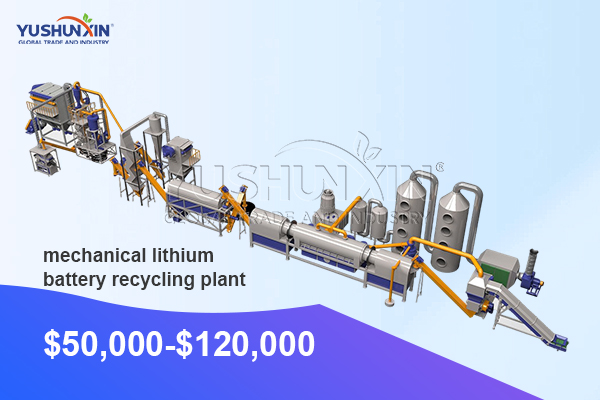
The capital plan starts with land, buildings and process equipment, then adds fire protection, hazardous storage, electrical upgrades, water treatment and environmental monitoring. A public financing model for battery recycling also includes collection vehicles, temporary storage containers, laboratory instruments and the first set of spare parts. The model separates fixed assets from start-up cost, because each item has a different financing life. Working capital covers battery purchases, wages and maintenance before sales reach a stable level. Public funding may support shared infrastructure or collection, while private capital covers the processing line. The owner prepares one complete cost table so every financier sees the same total project and no critical equipment remains outside the financing plan.
How can a public–private partnership share risk in battery recycling?
A partnership can assign collection and permit support to the public party and design, construction and operation to a private company. The contract defines service levels, feedstock volume, product ownership, environmental reporting and the process for changing fees. A lithium battery recycling project funding structure links part of the private return to plant availability and recovered material quality, while the public party retains responsibility for illegal dumping and collection policy. The agreement also sets a clear route for technology upgrades when battery chemistry changes. Strong performance measures prevent the partnership from becoming a hidden subsidy for weak operation. A balanced contract gives the operator enough control to run the battery recycling line and gives the public authority reliable evidence of service delivery.
Which grants and concessional finance fit a battery recycling project?
Environmental grants can fund feasibility studies, laboratory equipment, fire safety or a collection pilot without requiring immediate commercial return. Concessional loans can support the processing plant when the project documents material recovery, local employment and reduced hazardous waste. A battery recycling technology design defines the processing scope that the financing package must cover. The owner maps each application to eligible cost and avoids using one grant to duplicate an item funded by a loan. Reporting obligations include tonnage, recovery yield, emissions and community benefit. The financial model treats grant income separately from operating revenue, so the project remains viable after the grant period ends. That separation protects public funds and exposes a plant model that depends on permanent support.
Which controls protect public and private capital during construction and operation?
The owner freezes scope, capacity, technology and acceptance tests before financial close. An independent engineer reviews drawings, equipment orders and commissioning results. The operator submits monthly data for throughput, product quality, energy use, safety and environmental compliance. Financing releases follow verified milestones rather than calendar dates alone. A maintenance reserve covers battery recycling machinery, filters and replacement parts after the warranty period. The public authority also keeps a contingency for collection shortfalls and site remediation. These controls give lenders a clear basis for monitoring and give the community a practical way to judge whether the plant delivers the promised recovery and waste diversion.
Conclusion for public authorities and battery recycling sponsors
The right financing model links each capital need with the party best able to manage the related risk. A public lithium battery recycling project combines grants, concessional finance, private equity and working capital around one complete technical scope. A battery recycling project advisors that prepares capacity data and cost documents helps the sponsor present a consistent case to every financier. Contracts need measurable service levels and clear responsibility for collection, permits and environmental performance. The battery recycling cost reference appears at https://solutionsforewaste.com/battery-recycling-cost/ for the next financial review.