
Improving battery material recycling line market demand requires a measured view of the whole recovery process rather than one equipment rating. battery material recycling line market demand connects feedstock handling, thermal treatment, material separation and product dispatch with the plant’s emissions, residue and energy records. market (economics) offers a useful frame for evaluating the environmental and economic result. The project team must show that local material recovery and reduced hazardous waste occurs under documented operating conditions. Buyers, lenders and regulators then receive the same evidence about capacity, quality and resource use.
Which operating conditions determine battery material recycling line market demand?
The plant receives electric vehicle packs and battery production scrap, and that material changes with supplier, season and collection route. Southeast Asia battery material recycling demand compares the measured feed with the installed battery shredding, drying, separation and black mass handling equipment and the required output. Operators record moisture, size, contamination and throughput before adjusting temperature or speed. The design also accounts for policy and collection uncertainty, because one uncontrolled variable can stop production or degrade the product. A verified operating range gives the team a realistic target instead of an ideal figure from a short test. That range becomes the basis for every later capacity and quality decision.
How does equipment design support the market objective?
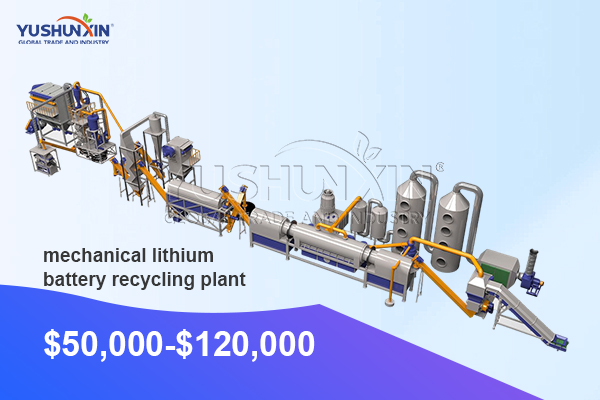
The layout and sizing of battery shredding, drying, separation and black mass handling equipment determine how much material the line recovers and how much energy it consumes. public market potential for battery material recycling aligns feed preparation, the core process and downstream handling within one capacity basis. The hydrometallurgical lithium battery recycling plant provides a related reference for comparing layouts and support systems. Engineers verify access for cleaning, pressure limits and the path for each product stream. A balanced line avoids hidden bottlenecks and gives the owner a clearer basis for capital planning. The final design should match the local feedstock and market, not a generic maximum output.
Which measurements prove the project delivers local material recovery and reduced hazardous waste?
The operating team tracks available volume, chemistry mix and buyer demand by shift, batch and tonne. A monthly report links those values with downtime, energy use and residue. The comparison shows whether the project creates a durable result or depends on favorable conditions. The team also reviews product acceptance and maintenance cost, because an attractive recovery rate has little value when the output fails the buyer specification. Independent samples strengthen the evidence for permits, financing and guarantees. These records give managers a practical way to correct drift before the next reporting period and keep the technical case connected to real performance.
How should owners control cost and risk during delivery?
The owner freezes feedstock assumptions, capacity, product criteria and utility responsibilities before procurement. Suppliers respond to the same technical schedule, and the contract connects payment with factory tests and a sustained performance run. The project team tracks long-lead equipment, site works and commissioning together. Spare parts, operator training and monitoring belong in the capital plan rather than a later request. A change-control clause prices delays or modifications caused by new feedstock or site conditions. This structure helps the investor compare bids on total installed value and protects the schedule when one interface changes.
Conclusion for project owners and technical teams
The battery material recycling line market demand improves when feedstock, equipment, utilities and reporting follow one operating model. battery recycling market engineers can review the process boundary and the evidence needed for the next decision. The owner should approve targets with measured input, a defined capacity test and a clear maintenance plan. Environmental, financial and quality results belong in the same review. The relevant plant reference appears at https://www.sxlbp.com/products/lithium-battery-recycling-machine-cost/ for the next project assessment.