
Planning solar panel thermal recycling compliance requirements requires a complete material-flow and project-boundary review rather than one equipment rating. solar panel thermal recycling compliance requirements connects feedstock reception, processing, product handling and site services with cost, quality and environmental performance. emission standard provides a useful frame for evaluating the wider resource system. The project team must show that recover glass and metals while protecting local air quality under measured conditions and a stated capacity. Clear boundaries reduce hidden interfaces and give the owner, contractor and future operator the same technical basis.
Which conditions determine solar panel thermal recycling compliance requirements?
The plant receives end-of-life photovoltaic modules, and that feedstock varies by source, season and contamination. public PV thermal recycling standards compares the measured input with thermal delamination chamber, crusher, separator, dust collector and gas treatment system and the required output. The team records moisture, size, throughput and product quality before setting operating targets. A practical design also addresses an uncontrolled thermal process with storage rules, inspections and a controlled shutdown path. The site team verifies utility capacity and access before construction. These facts define a realistic operating range and prevent a design that performs only with ideal material.
How does equipment and site design support the compliance objective?
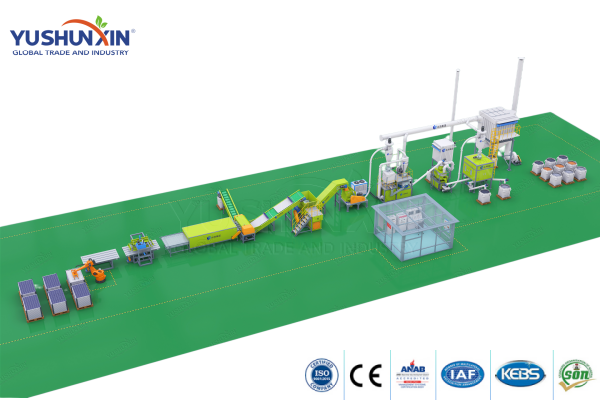
The layout of thermal delamination chamber, crusher, separator, dust collector and gas treatment system determines transport distance, energy demand and maintenance access. environmental standards for solar recycling aligns the feed, core process and downstream material flow within one capacity plan. The related solar panel recycling equipment cost factors shows a practical reference for auxiliary systems and product handling. Engineers reserve space for filters, spare parts and safe access around hot or moving equipment. A balanced layout reduces bottlenecks when demand changes or one section enters maintenance. The owner then evaluates capital and operating decisions with the same process model.
Which measurements prove the project delivers recover glass and metals while protecting local air quality?
The operating team tracks emission readings, dust control and recovered material quality by shift, batch and tonne. A monthly report connects those values with energy use, downtime, residues and product acceptance. The comparison shows whether performance remains stable across different feedstock and operating loads. Independent testing strengthens warranty, permit and financing evidence. The project team corrects the limiting stage before it affects a full production campaign. This measurement discipline keeps the technical design connected to the promised operating result and gives investors evidence for the next decision.
How should the owner control delivery cost and operating risk?
The owner freezes feedstock assumptions, capacity, product criteria and utility responsibilities before procurement. Suppliers respond to the same technical schedule, and the contract links payment to factory tests and a sustained performance run. The project team tracks permits, long-lead equipment, construction and commissioning together. Operator training and critical spare parts belong in the base scope. A change-control clause prices new feedstock, additional utilities or site modifications. These controls protect the schedule and turn a procurement quotation into a measurable operating asset.
Conclusion for project owners and engineering teams
The solar panel thermal recycling compliance requirements succeeds when feed, equipment, site services and reporting follow one practical model. PV recycling compliance advisors can review the process boundary and the evidence needed for approval. The owner should require a measured input range, a defined performance test and a maintenance plan. Environmental, financial and quality results belong in the same review. The relevant equipment reference appears at https://www.spdsx.com/product/solar-panel-recycling-line/ for the next project assessment.