
When investors ask about oil sludge pyrolysis line price, the equipment itself is only one part of the answer.
Oil sludge projects can vary significantly because the material condition, pretreatment requirements, processing capacity and environmental protection system are different from one project to another.
A suitable configuration starts with understanding the sludge characteristics.
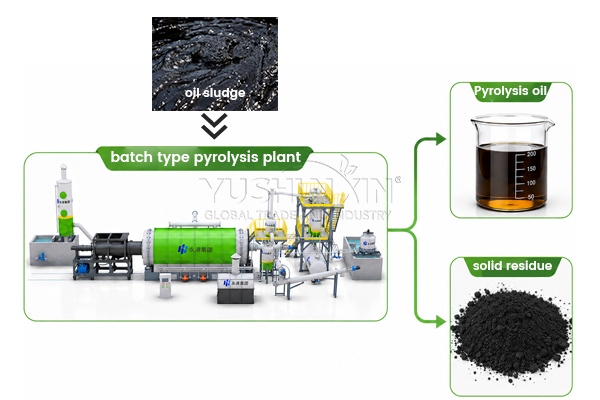
Why Does Oil Sludge Condition Affect Investment?
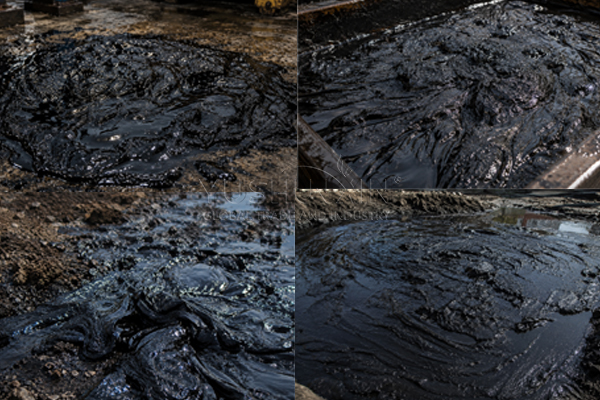
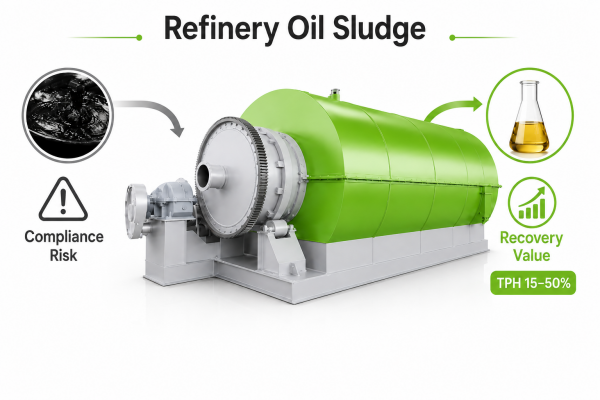
Oil sludge is usually a mixture of oil, water and solid components. Different sources, such as refinery sludge, tank-bottom sludge or drilling waste, can have different treatment requirements.
Before evaluating an oil sludge pyrolysis line price, buyers should confirm:
- Oil content
- Water content
- Solid content
- Daily processing volume
- Final product or disposal target
Higher moisture content, unstable material properties or additional pretreatment requirements may influence the overall system design.
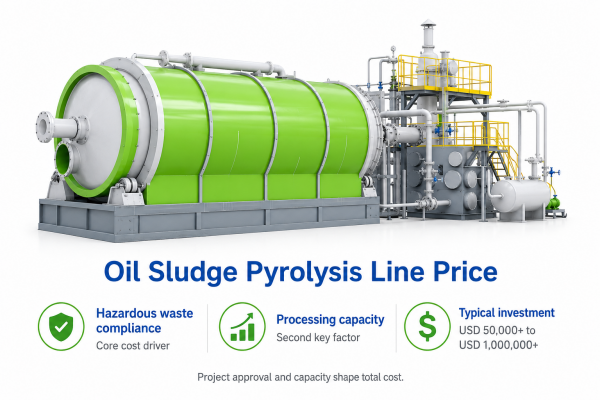
Which Configuration Parts Can Change the Project Cost?
The total investment is usually related to the complete process route, not only the thermal processing unit.
Common cost-influencing sections include:
- Material pretreatment
- Feeding system
- Pyrolysis equipment
- Oil-gas separation and condensation
- Residue discharge
- Exhaust treatment
A complete oil sludge treatment solution needs to connect these sections according to the actual sludge condition.
For example, sludge with higher viscosity may require different feeding considerations compared with more fluid material.
Why Are Different Pyrolysis Equipment Prices Not Directly Comparable?
Two quotations may look similar in processing capacity but include different equipment scopes.
A buyer evaluating the cost of pyrolysis equipment should check whether the proposal includes:
- Pretreatment equipment
- Feeding and discharge systems
- Condensation configuration
- Environmental protection equipment
- Installation and commissioning support
Comparing only the main reactor price may not reflect the actual project requirement.
What Information Helps Get a More Accurate Proposal?
Before requesting a quotation, prepare:
- Sludge source information
- Laboratory analysis if available
- Expected daily capacity
- Site conditions
- Local emission requirements
- Product utilization plan
With this information, the supplier can evaluate a more suitable process route and avoid unnecessary equipment or missing key systems.
Oil sludge pyrolysis projects are customized engineering solutions. The final cost depends on matching the equipment configuration with the actual material and operating conditions.
Leave a Reply