
The solar silver recovery solution compliance requirements cover the gas from the thermal stage, the dust from the shredding area and the effluent from the leaching circuit, and each of those streams has its own standard. You, as a recycling company manager or as an environmental engineer, examine the solar silver recovery solution compliance requirements against the permit before the equipment order. The effluent guidelines of the region define the treatment that the chemical route needs.
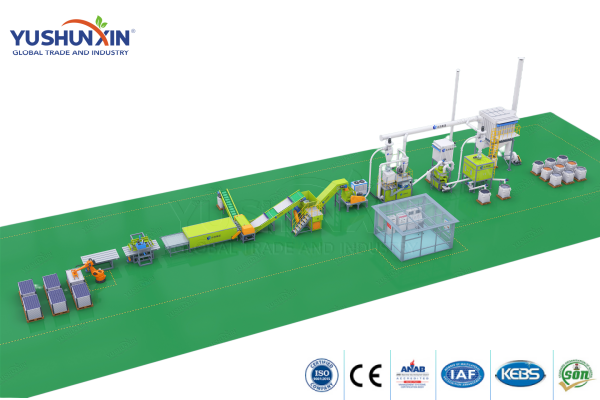
Which standards apply to the process?
The particulate limit, the acid gas limit and the effluent limit form the three standards that the permit lists, and each of them corresponds to a treatment unit. An environmental standards for silver recovery review maps each limit to the equipment that satisfies it, because a missing item delays the licence. You confirm the local limit with the authority before the order. The design then covers the full obligation.
How does the recovery route change the requirements?
A thermal route concentrates the silver and needs a gas cleaning train, while a chemical route needs reactors, reagents and an effluent plant. A pv recycling technology compliance comparison shows the regulatory burden of each route, and that comparison often decides the choice. You test the effluent of the chemical route in a pilot, because the reagent consumption determines the treatment size. The compliance requirements for a silver recovery process then follow the chosen route.
How does the plant document its performance?
A monitoring plan with the sampling points, the frequency and the record format answers the questions of the inspector. You keep the laboratory results and the operating log in one file, because the auditor reconstructs the year from those sources. The plant that reports the emission per tonne demonstrates an improvement rather than a single reading. The authority then renews the permit with evidence.
How does compliance protect the investment?
A plant that meets its permit keeps its licence during a renewal, and that continuity protects the offtake contract. You also keep the insurance valid with the same evidence, because an insurer prices the risk from the compliance record. The plant that publishes its performance attracts buyers who audit their supply chain. The commercial team then negotiates a longer contract.
Conclusion for recycling companies and environmental engineers
Compliance protects the value of a silver recovery project through the permit, the treatment equipment and the record, and a documented plant sells at a better price. A silver recovery compliance advisors team that supplies the permit matrix, the treatment layout and the monitoring plan helps the operator protect the licence. The volume of end-of-life modules keeps rising, and the compliant plant captures the buyers who require an audited source. If your team needs a reference for the process configuration and the compliance scope, you can learn more about https://solutionsforewaste.com/pyrolysis-technology/ before the next permit review. The same file also supports the renewal of the insurance policy, and that document shows the insurer that the plant controls the effluent and the gas streams during every operating month.