
The solar panel recycling plant capacity planning starts with the module volume that the region can deliver, and the capacity factor that the plant can reach decides the size that makes sense. You, as a project developer or as a recycling company manager, examine the solar panel recycling plant capacity planning before the equipment order. A plant sized above the local supply carries a cost that no buyer recovers.
Which data defines the design capacity?
The installed base of modules, the replacement rate and the collection radius define the annual tonnage that the plant can receive. A capacity design for a solar panel recycling plant also examines the seasonal pattern of the supply, because a region that collects after a storm delivers a peak. You measure the tonnage of three reference regions, and that measurement replaces the assumption. The design then follows the real data.
How does the utilisation change the choice?
A larger line carries a lower cost per tonne at full load, but it carries a higher cost when the supply is short. A design capacity for pv recycling study compares two sizes at a conservative utilisation, because a new plant rarely reaches full load in the first year. You test a seventy percent utilisation, and that test shows the size that survives. The chosen capacity then reflects the real market.
How does the equipment package fit the capacity?
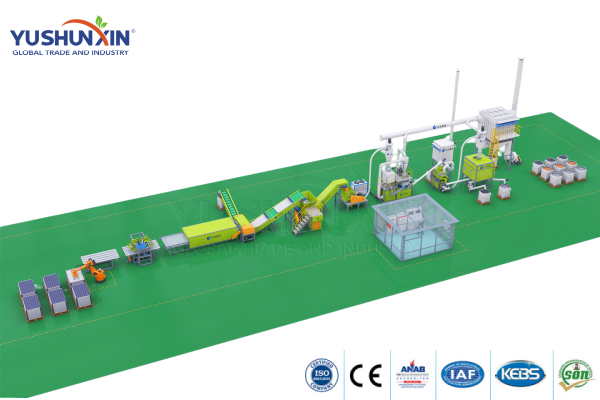
The shredder, the separation deck and the dust collector each carry a rated throughput, and the smallest unit sets the capacity of the line. An equipment capacity for a pv plant review compares the rated values, and the comparison shows the bottleneck. You size the buffer for the difference between the units. The line then runs at a stable rate.
How does the owner plan the growth?
A modular design allows a second line without a new building, and that option protects the owner from a large initial commitment. You reserve the space and the utility capacity for the expansion, and that reservation costs little at the start. The growth then follows the actual supply. The owner keeps the option without paying for it today.
Conclusion for project developers and recycling companies
The right capacity matches the local supply and survives a conservative utilisation, and a modular design preserves the growth option. A solar panel plant capacity advisors team that supplies the volume survey, the utilisation model and the expansion plan helps the owner choose with data. The volume of end-of-life modules keeps rising, and a plant with the right capacity serves that volume profitably. If your team needs a reference for the line configuration and the capacity scope, you can learn more about https://www.spdsx.com/product/solar-panel-recycling-line/ before the next design review. The same plan also records the tonnage that each collection contract can deliver, and that record shows the owner whether the second line becomes necessary in the third year or later. The council then reviews the growth option with the measured supply, and the same record supports the annual budget of the collection network.