
A waste plastic pyrolysis plant project finishes on schedule when the EPC contractor links design, procurement, civil works, mechanical installation and commissioning to one critical path. The project starts with a precise feedstock study because mixed plastic film, rigid containers and agricultural waste create different handling and reactor requirements. project management gives the contractor a control structure for scope, schedule, interfaces and risk. The owner and contractor then agree on hold points before concrete, equipment shipment and first heat. A realistic schedule protects the budget from rushed installation and gives operators enough time to test the waste plastic pyrolysis equipment under controlled conditions.
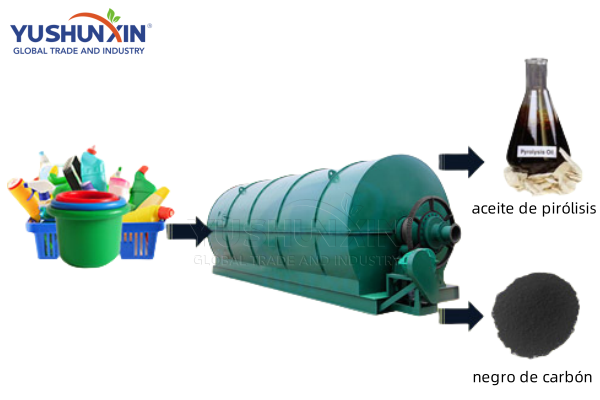
Which design and permit tasks belong early in a waste plastic pyrolysis plant project?
The early phase defines the plastic mix, moisture, contamination level and monthly tonnage that the plant will accept. An EPC schedule for a waste plastic pyrolysis plant reserves time for laboratory tests, process design, hazardous area classification, utility data and the environmental permit. The contractor freezes the process flow diagram before bulk equipment orders, because changes to the reactor, condenser or gas treatment system create long lead-time delays. Civil design follows the equipment layout and load data rather than a generic building plan. The owner also confirms the power connection, water supply and site access during this phase. Early approvals prevent a complete design from waiting on a missing permit or an undersized utility.
How does procurement planning protect the EPC construction schedule?
Procurement follows the critical path: reactor shell and internals, feed machinery, discharge valves, oil condensers, gas cleaning equipment and control panels. The contractor separates long lead items from local materials and tracks inspection, release and shipping milestones. A waste plastic pyrolysis project delivery assigns float to noncritical work and protects the date for first mechanical completion. The pyrolysis technology for waste plastic review defines the technical specifications that suppliers must meet, and that single basis avoids rework after delivery. Spare parts, special tools and operator manuals reach the site before commissioning begins. A weekly procurement review compares actual delivery with the construction sequence and moves work when one package falls behind.
Which construction interfaces most often delay a pyrolysis plant?
The interfaces between steel structure, equipment foundations, piping, electrical trays and insulation cause more delays than the main reactor itself. The EPC contractor uses a combined model and a field schedule to coordinate those interfaces before crews enter the same area. Piping tie-ins to the gas system need mechanical completion and pressure testing before operation. Electrical testing must cover motors, instrumentation, interlocks and emergency shutdown logic. The site team checks alignment of the feed conveyor, rotary valve and reactor inlet because small errors create vibration and leakage. Daily coordination and a visible system turnover list keep the processing line from entering commissioning with open construction work.
How does the commissioning plan support a reliable handover date?
Commissioning begins with utility verification, instrument calibration and cold rotation before the project introduces any plastic feed. The team tests the gas train, condenser, oil collection and char discharge system separately, then runs them together. A performance run measures feed rate, oil yield, gas consumption, char output and emission readings over a sustained period. The contractor logs every deviation, assigns a corrective action and repeats the failed test. Operator training follows the same procedures that the plant will use after handover. The owner signs acceptance only when the waste plastic pyrolysis project meets the written capacity and quality criteria and the site closes all critical punch items.
Conclusion for project owners and EPC contractors
On-time delivery depends on one integrated schedule from feedstock definition to performance test. The EPC contractor must coordinate permits, reactor procurement, foundations, piping, electrical work and the commissioning of the waste plastic pyrolysis equipment. An waste pyrolysis EPC advisors that exposes long-lead items and interface risks early helps the owner protect the target date. The project also needs a formal system turnover process and a clear procedure for closing punch items. The complete waste plastic pyrolysis plant project reference appears at /waste-pyrolysis-recycling-solution/ for schedule and scope review.