
The fastest solar panel thermal recycling investment usually combines high uptime, low energy use and a stable supply of end-of-life modules. A solar panel thermal recycling profit analysis starts with the revenue from glass, aluminium, copper and silver-bearing residue, then subtracts the operating cost of heating, crushing, separation and dust control. The payback period gives the owner a simple first test, but the project team also reviews cash flow during ramp-up and the cost of replacing wear parts. A complete analysis shows why two recycling lines with different layouts can produce very different returns from the same volume of solar modules.
Which revenue streams make a solar panel thermal recycling project profitable?
A thermal recycling plant earns income from recovered aluminium frames, junction boxes, copper cable, clean glass and concentrated silver-bearing fines. The quality of each output determines the buyer and the commercial discount. A payback analysis for solar panel thermal recycling therefore measures product mass and purity by module type instead of applying one yield to the entire feedstock. The contract with the glass processor and the metal buyer also affects transport cost and payment terms. A plant that keeps outputs separated can sell more material without extra processing, while a plant that mixes fractions pays later for sorting. Revenue analysis follows the actual product streams created by the delamination equipment and separation machinery.
How do energy demand and equipment uptime change the payback period?
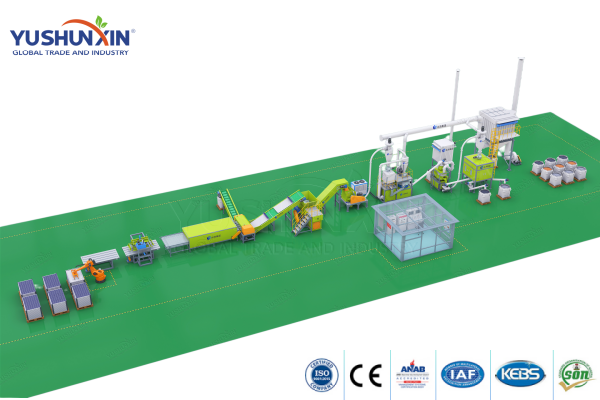
The thermal delamination stage consumes most of the process energy, so insulation, heat recovery and stable module feed have a direct effect on operating cost. A thermal recycling investment return planning compares the pump, fan, conveyor and heating load with the production schedule, because equipment that starts and stops wastes heat and labour. The solar panel recycling production line design controls the sequence from frame removal to laminate treatment and material separation. Preventive maintenance on the crushing system, conveyor belts and dust collector protects availability during the collection season. A line that runs at a steady rate with fewer interruptions usually earns a faster return than a larger line with frequent short stops.
Which feedstock and logistics conditions accelerate investment payback?
A recycling project benefits when the plant sits close to a large stock of decommissioned modules and to buyers of recovered glass and metal. Transport cost rises quickly because complete modules occupy space and require careful handling. The owner studies the collection contract, storage area and incoming inspection process before selecting capacity. A module mix with a high share of aluminium frames and accessible junction boxes can improve early cash flow. The analysis also checks the local rules for thermal treatment and residual waste. Secure feedstock and short logistics routes turn the same solar panel processing equipment into a stronger investment case.
Which sensitivity tests belong in the investment decision?
Sensitivity analysis changes module supply, energy cost, labour cost, product yield and buyer discount one at a time and then in combination. The owner identifies the throughput level that covers fixed cost and the point where a second shift becomes attractive. The model also includes the replacement cycle for blades, screens, filters, heating elements and conveyor parts. A downside case with lower silver content and higher power cost reveals whether the project can survive a weak market. Management should approve the investment only when the base case and the stress case both leave enough cash to maintain the thermal recycling line and preserve output quality for long-term buyers.
Conclusion for solar panel recycling investors
The strongest thermal recycling investment combines a secure module supply with a simple material flow and a realistic operating schedule. Revenue analysis must follow the recovered glass, metals and silver-bearing residue, while cost analysis covers heat, power, labour, dust control and wear parts. An PV recycling investment advisors that builds the mass balance and equipment schedule before the tender gives the investor a defensible payback range. The project team can review the solar panel thermal recycling configuration at https://www.spdsx.com/product/solar-panel-recycling-equipment-cost/ before approving the next design phase.