
With the growing adoption of solar energy, the need for effective recycling and disposal of solar panels has become increasingly important. As solar panels reach the end of their life cycle, dismantling them efficiently and safely is critical to reduce environmental impact and recover valuable materials. Using machines for this purpose enhances the speed and safety of the process, ensuring a sustainable approach to managing solar panel waste. This guide outlines the key steps involved in using machinery to dismantle solar panels.
Preparation and Safety Measures
Initial Assessment
Before dismantling begins, it’s crucial to conduct an initial assessment of the solar panels. This involves evaluating the condition, type, and size of the panels to determine the appropriate dismantling method. This assessment ensures that the process is tailored to the specific characteristics of the panels, thereby optimizing efficiency and safety.
Safety Protocols
Ensuring safety is paramount during the dismantling process. Operators must be equipped with personal protective equipment (PPE) such as gloves, goggles, and helmets to protect against potential hazards. Additionally, machinery should be regularly inspected and maintained to prevent malfunctions and accidents during operation.
Dismantling Process
Mechanical Dismantling
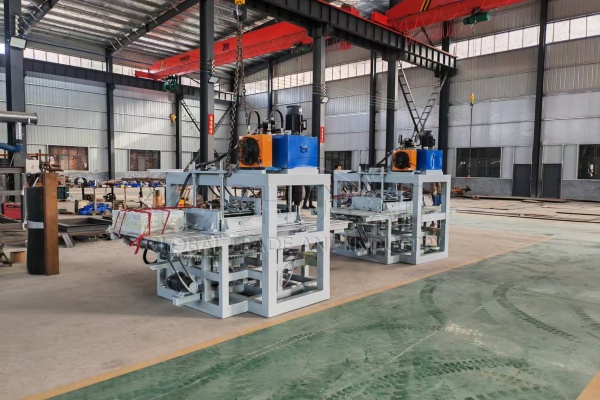
The dismantling process begins with the use of specialized machinery designed to handle the materials and components of solar panels. Automated systems, such as robotic arms and conveyor belts, are employed to maneuver and disassemble the panels efficiently.
- Frame Removal: The first step involves removing the aluminum frame from the panel. Machines equipped with cutting tools or automated clamps can detach the frame swiftly without damaging other components.
- Glass Separation: Once the frame is removed, the glass layer is separated. Machines with suction pads or vacuum lifters can handle the glass delicately to prevent breakage, thereby minimizing waste and facilitating recycling.
Component Disassembly
After removing the outer layers, machines proceed to disassemble the internal components of the solar panel. This involves separating the silicon cells, metal contacts, and backsheet. Automated sorting systems use sensors and mechanical arms to differentiate and segregate the materials efficiently.
- Silicon Cell Extraction: Precision machinery extracts silicon cells, ensuring minimal damage to retain their usability in new products.
- Metal Recovery: Machines with magnetic and eddy current separation capabilities extract and sort metals like copper and silver, which are then sent for recycling.
Material Recovery and Recycling
Advanced Separation Techniques
The dismantling process is followed by advanced separation techniques to refine the extracted materials. Techniques such as electrostatic separation and chemical baths are used to purify and recover high-value materials like silicon and silver.
Reintroduction to Supply Chain
Once materials are recovered and refined, they can be reintroduced into the supply chain. Reclaimed silicon can be used in the production of new solar panels, while metals can be utilized in various industrial applications, contributing to a circular economy.
Environmental and Economic Benefits
Environmental Impact
Using machines to dismantle solar panels reduces the environmental footprint associated with their disposal. By efficiently recovering and recycling materials, the process minimizes waste and conserves natural resources, aligning with sustainable development goals.
Economic Advantages
The economic benefits of machine-assisted dismantling are significant. It reduces labor costs, enhances material recovery rates, and creates new opportunities within the recycling industry. Additionally, it supports technological advancements and the development of green jobs, contributing to economic growth.
Conclusion
The use of machines to dismantle solar panels is a vital component of sustainable solar energy management. Through careful preparation, efficient dismantling processes, and advanced material recovery techniques, the industry can reduce waste, conserve resources, and support a thriving circular economy. Visiting: https://www.solutionsforewaste.com/product/solar-panel-disassembly-equipment/
Leave a Reply