
Introduction
The rapid increase in the use of lithium-ion batteries, driven by the rising demand for electric vehicles (EVs) and portable electronics, has underscored the critical need for efficient recycling solutions. Recycling lithium batteries is crucial not only for environmental sustainability but also for recovering valuable metals and materials. Specialized machines capable of processing up to 1000 kg/h of lithium batteries are at the forefront of this recycling revolution, ensuring that valuable resources are reclaimed and environmental impacts are minimized.
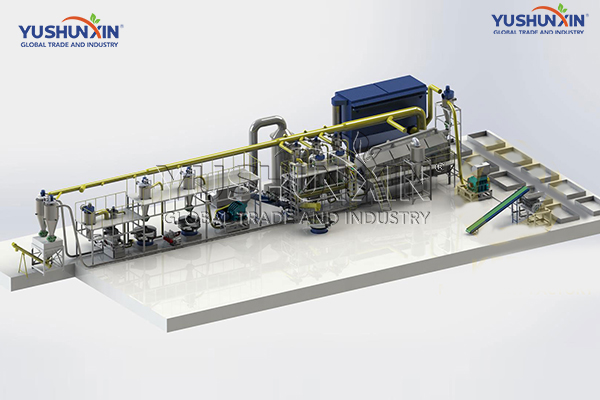
Shredding and Size Reduction Units
The initial stage in recycling lithium batteries involves shredding and size reduction. Dedicated shredding machines are equipped to handle the robust construction of lithium batteries, safely breaking them down into smaller, more manageable pieces. These shredders are designed with safety features to handle the reactive nature of lithium batteries, minimizing the risk of fire or explosion during the process. By reducing the size of the batteries, these units facilitate the efficient separation of their constituent materials.
Separation and Sorting Systems
Following shredding, separation and sorting systems are employed to isolate different materials within the batteries. Advanced technologies such as magnetic separation, gravity separation, and air classification are used to separate metals from non-metal components. The magnetic separation process efficiently extracts ferrous materials, while air classification helps in segregating lighter materials from heavier metals. These systems are integral to ensuring a high recovery rate of valuable materials such as lithium, cobalt, nickel, and copper.
Hydrometallurgical Processing Units
One of the most effective methods for recovering valuable metals from lithium batteries is through hydrometallurgical processing units. These units use chemical solutions to leach and recover metals from the shredded battery materials. The process involves dissolving the metals into a liquid solution, from which they can be selectively precipitated and purified. Hydrometallurgical processing is particularly effective for extracting high-purity lithium, cobalt, and nickel, which can then be reused in the production of new batteries or other applications.
Thermal Treatment Technologies
Thermal treatment technologies, such as pyrolysis and smelting, are also employed in the recycling process to recover metals from lithium batteries. These processes use high temperatures to decompose organic materials and concentrate metals in a more accessible form. While energy-intensive, thermal treatments are effective in recovering metals that are difficult to extract through other methods. They complement hydrometallurgical processes by enabling the recovery of a broader range of materials.
Conclusion
Recycling machines capable of processing 1000 kg/h of lithium batteries play a vital role in the sustainable management of battery waste. From shredding and size reduction to advanced separation and sorting systems, hydrometallurgical processing units, and thermal treatment technologies, each component is crucial for maximizing material recovery and minimizing environmental impact. As the demand for lithium batteries continues to grow, investment in and development of these advanced recycling technologies will be essential to support a circular economy and ensure the sustainable use of resources. Understanding and enhancing these recycling processes will be key to addressing the challenges posed by the increasing prevalence of lithium-ion batteries. Visiting: https://www.sxlbp.com/products/1000kg-h-lithium-battery-disposal-project/
Leave a Reply