
Public money changes the arithmetic of a recycling project, because a grant or a low interest loan reduces the equity that the owner must raise, and you, as a project developer or as a municipal asset manager, plan the application before the equipment order. A solar panel silver recovery process qualifies for support when the project documents measurable landfill diversion, energy savings and local employment. The solar panel silver recovery process then reaches a shorter payback period, and that improvement makes the project attractive to private co-investors.
Which public funding instruments fit a PV recycling project?
Capital grants reduce the initial investment and often require a defined share of local content or of training hours. Soft loans carry an interest rate below the market and suit the equipment package of the line. Tax incentives reduce the operating cost over the first years, and those incentives appear in the cash flow model. Environmental funds support projects with a documented recovery rate, and that document follows the same mass balance that the plant uses in operation.
Which project documents does the application require?
The application file opens with the technical description, the process flow and the equipment specification of the recovery line. Your team adds the environmental assessment, the landfill diversion estimate and the financial model with and without support. A public funding for solar panel recycling investment section also describes the operating plan and the maintenance budget, because the fund evaluates the sustainability of the service. The completed file then satisfies both the funding body and the bank.
How does public funding change the plant configuration?
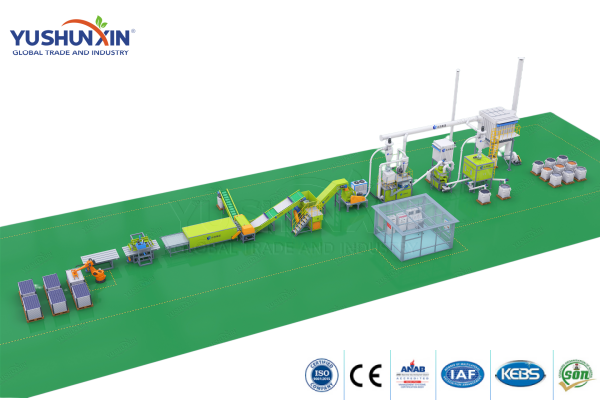
A grant that focuses on resource recovery may favour a configuration with higher silver and silicon yield, even when the equipment cost rises. A loan that focuses on employment may support a semi-automatic line that creates more operating posts. A solar panel recycling plant design that reserves space for the supported modules keeps the layout flexible during the application stage. Your engineering team documents both configurations, and that comparison shows the funder which option delivers the stated result.
How do you structure the financing plan?
The plan separates the grant, the equity, the senior debt and the working capital, and that separation shows which part of the project each instrument covers. A solar silver recovery project financing plan also states the disbursement milestones, because public funds often follow the construction progress. Your finance team aligns those milestones with the equipment payment schedule, and that alignment protects the cash position of the developer. The closing then happens with a documented source and use of funds.
Conclusion for project developers and municipal asset managers
Public funding shortens the payback of a recycling project when the application shows verified environmental results and a realistic operating plan. A solar recycling project funding advisors team that supplies process data, mass balance and cost tables strengthens the technical annex of the file. A well designed subsidy also directs capital toward projects that reduce waste, and that direction supports the wider recycling policy. If your team needs a reference for the investment structure of a recovery line, you can learn more about https://solutionsforewaste.com/solar-panel-recycling-cost/ before the next application window.