
A solar panel recycling plant technology recovers glass, aluminium, copper and the semiconductor fraction of a module, and each recovered stream removes mass from the disposal route that a landfill would otherwise receive. You, as a recycling company manager or as a municipal waste officer, compare the solar panel recycling plant technology with the cost of burial before the programme is approved. The comparison shows how much of the incoming module weight the plant converts into a saleable product.
Which module fractions does the technology recover?
The aluminium frame and the junction box leave the line first, and those two items carry a high scrap value for each tonne handled. The glass, the copper ribbon and the silicon wafer follow the shredding and separation stages, and the silver concentrate leaves the thermal or chemical section. A landfill diversion with solar panel recycling technology study weighs each output, because a fraction without a buyer returns to the disposal route as residue. You compare that balance with the weight that arrives at the gate.
How does the separation line keep material out of the landfill?
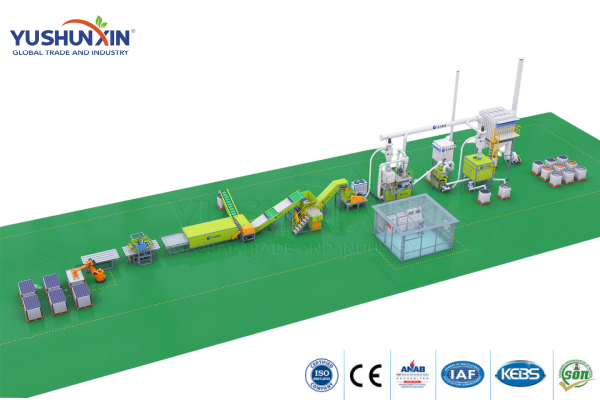
The shredder opens the module, the vibrating screen classifies the fragments and the magnetic and eddy current units divide the metals from the glass. An equipment package for a solar panel recycling plant therefore defines the cut point of each stage, and a well chosen cut point sends less mixed material to the residue bin. You monitor the residue weight against the input weight, because that ratio is the practical measure of the diversion that the landfill no longer receives. The dust collection system then captures the fine glass that would otherwise leave with the air.
How do local rules change the cost of burial?
A region that bans the burial of photovoltaic waste removes the cheap option and raises the value of the recovery service. A technology that keeps solar panels out of landfill also protects the operator against a future increase of the disposal fee, because the plant already processes the volume. You read the waste hierarchy of the region before the design, since the local rule decides which fraction the authority expects to see recovered. The gate fee of the plant then follows the avoided cost of burial.
How does the operator measure the diversion that the plant achieves?
The monthly report compares the tonnage received with the tonnage sold and the tonnage sent to residue, and those three numbers form the diversion rate of the plant. You keep the weighbridge tickets and the sales notes in one file, because an auditor requests the same evidence that the authority receives. The plant that documents a high diversion rate wins the municipal contract and the producer responsibility agreement. The report also shows which fraction needs a new buyer to reduce the residue weight further.
Conclusion for recycling companies and municipal programmes
Solar panel recycling technology reduces landfill dependence when the separation stages recover the fractions that a local buyer accepts, and the measured residue weight proves the result. A solar panel recycling technology advisors team that supplies the mass balance, the layout drawing and the commissioning support helps the operator reach that diversion rate. The volume of end-of-life modules keeps rising in every market, and the region that builds capacity early avoids the burial cost that grows later. If your team needs a reference for the line configuration and the diversion scope, you can learn more about https://www.spdsx.com/product/solar-panel-recycling-line/ before the next programme review.