
A solar panel thermal recycling environmental compliance programme keeps the process inside the emission limits of the local permit, and the design of the gas treatment train decides whether the plant meets those limits during every shift. You, as a recycling company manager or as an environmental engineering contractor, review the solar panel thermal recycling environmental compliance file together with the process flow before the equipment order. The comparison between the permit limit and the design value shows the margin that the plant carries.
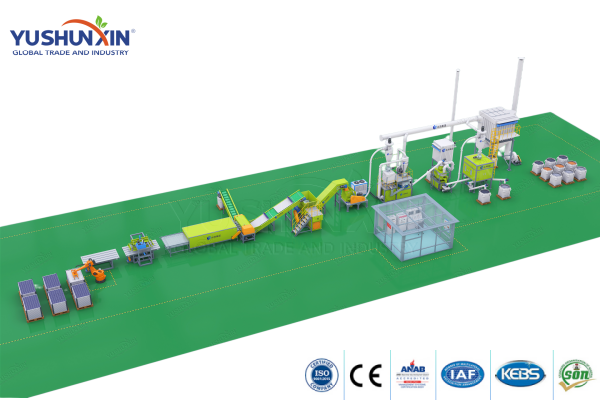
Which emission sources does a thermal recycling line create?
The thermal delamination stage releases the polymer fraction as a gas, the shredding stage produces dust and the cooling section releases water vapour. An emission limits for a solar panel thermal recycling plant review lists each source with its flow rate, because the treatment unit must be sized for the largest stream. You also examine the fugitive dust of the storage area, since that source appears in the inspection report. The design then assigns one control device to each identified stream.
How does the gas cleaning equipment control the emissions?
A cyclone removes the coarse particles, a bag filter retains the fine fraction and a scrubber absorbs the acid components before the stack. A thermal recycling equipment for emission control package also includes the ducting and the fan that keep the process under negative pressure, and that pressure prevents dust from escaping inside the hall. You verify the temperature of the gas at the filter inlet, because a hot stream damages the bags. The monitoring of the stack then records the performance of the whole train.
How do the permit conditions shape daily operation?
The permit fixes the limits, the sampling frequency and the record that the operator must keep, and those three elements become part of the operating procedure. A compliance planning for thermal recycling emissions exercise also defines the action that the shift team takes when a reading approaches the limit. You keep a stock of the filter bags and the scrubber reagent on site, because an empty store stops the plant and breaks the compliance record. The air pollution standard of the region then stays satisfied during the whole operating year.
How does the plant document its compliance?
A log with the operating hours, the measured values and the maintenance of each control device answers the questions of the inspector. You submit the monitoring report on the date that the permit names, because a late submission carries its own penalty. The plant that publishes a summary to the neighbouring community reduces the complaints that a new recycling facility often receives. The file then supports the renewal of the permit without a long discussion.
Conclusion for recycling companies and engineering contractors
Thermal recycling stays inside the environmental limits when the design identifies every emission source, the gas treatment covers the largest stream and the shift team follows a defined procedure. A thermal recycling emission advisors team that supplies the source list, the treatment layout and the monitoring plan helps the operator pass the inspection and keep the permit. The volume of end-of-life modules keeps rising, and a plant that demonstrates clean operation protects its licence and its market. If your team needs a reference for the line configuration and the compliance scope, you can learn more about https://www.spdsx.com/product/solar-panel-recycling-line/ before the next permit review.