
The solar panel recycling plant emission standards set the dust limit at the shredder, the gas limit at the thermal stage and the effluent limit at the cleaning section, and those three limits define the equipment that the site must install. You, as an industrial plant engineer or as a recycling company manager, examine the solar panel recycling plant emission standards against the permit before the order. The greenhouse gas avoided by the recovered material then supports the wider case.
Which standards apply to the plant?
The particulate limit of the shredding area, the volatile limit of the delamination stage and the effluent limit of the cleaning section form the three standards that the permit lists. An emission reduction with solar panel recycling review maps each standard to the equipment that satisfies it, because a missing item delays the licence. You confirm the local limit with the authority before the order. The design then covers the full obligation.
How does the process control the dust?
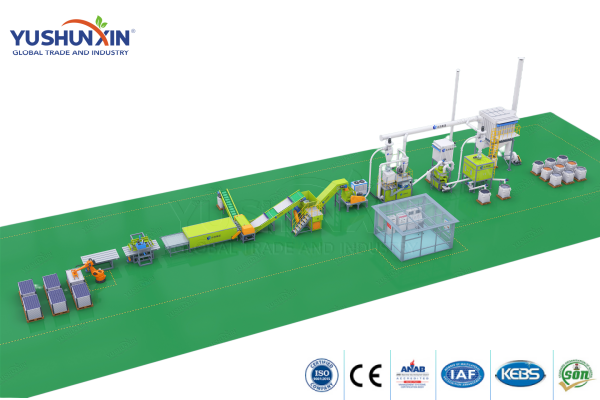
A cyclone and a bag filter capture the dust at the shredder, and a negative pressure enclosure prevents the dust from escaping into the hall. An emission control scope for pv recycling equipment also includes the ducting and the fan that maintain the pressure, and that scope belongs in the quotation. You monitor the pressure difference across the filter, because a clogged bag reduces the airflow. The plant then stays inside its limit during the shift.
How does the thermal stage meet its limit?
The off-gas of the thermal stage carries the polymer fraction, and a scrubber removes the acid components before the stack. An emission standards for a solar panel recycling plant study also examines the temperature of the gas at the filter inlet, because a hot stream damages the bags. You keep a spare set of filter elements on site, and that stock avoids a stop. The monitoring record then proves the performance.
How does the plant document the result?
A monitoring plan with the sampling points, the frequency and the record format answers the questions of the inspector. You keep the laboratory results and the operating log in one file, because the auditor reconstructs the year from those sources. The plant that reports the emission per tonne demonstrates an improvement rather than a single reading. The authority then renews the permit with evidence.
Conclusion for industrial plants and recycling companies
Solar panel recycling cuts emissions when the plant controls the dust, the gas and the effluent and when the recovered material replaces primary production. A solar panel recycling emission advisors team that supplies the source list, the treatment layout and the monitoring plan helps the site meet its permit. The volume of end-of-life modules keeps rising, and a compliant plant converts that volume into a verified benefit. If your team needs a reference for the line configuration and the compliance scope, you can learn more about https://www.spdsx.com/product/solar-panel-recycling-line/ before the next permit review. The same monitoring file also supports the annual environmental report of the site.