
The cost of a solar panel thermal recycling process in 2026 depends on the collection model, plant capacity, process scope and the financing structure chosen by the owner. The solar panel thermal recycling funding options cover module storage, dismantling, thermal delamination, crushing, screening, separation, dust control and utilities. project finance matches long-lived assets with debt, equity and working capital, while grants can support collection or feasibility work. A complete budget separates equipment from civil works and start-up cost, because each block carries a different finance life. The project team also tests how capacity and uptime change the required capital. A transparent cost boundary gives lenders and investors a practical basis for comparing a new plant with a modular first phase.
Which capital and operating blocks belong in a 2026 solar panel thermal recycling budget?
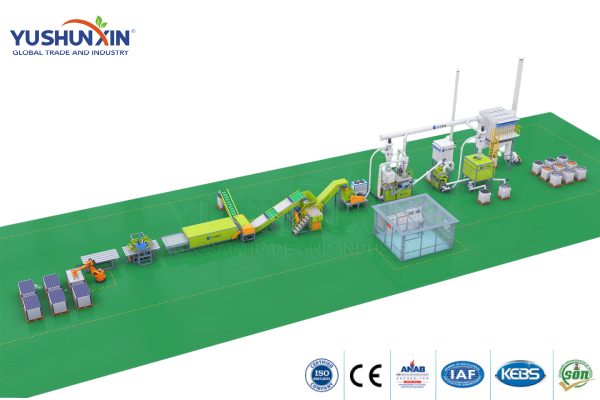
The capital plan covers the building, receiving area, thermal chamber, gas handling, crusher, screens, electrostatic or density separation, dust collection and electrical controls. A 2026 solar panel thermal recycling budget adds fire protection, laboratory instruments, spare parts and commissioning. Operating cost includes energy, labour, filters, wear parts, transport and maintenance. The owner also reserves working capital for collection and storage before product sales begin. The process design determines how much of the output becomes clean glass, aluminium, copper and silver-bearing residue. A complete budget links each cost with the equipment and operating step that creates it, so the investment case does not rely on an unexplained total.
How do public funding and private capital combine for a solar thermal recycling project?
A grant may fund feasibility, collection infrastructure, worker training or environmental monitoring without owning the entire plant. A financing a solar panel thermal recycling project can combine local equity with bank debt, equipment finance and a working-capital facility. Public support often requires measurable diversion, emissions control and local employment, so the owner needs a reporting system from the start. Private lenders focus on contracted module supply, product buyers and reliable plant availability. The financial model separates grant income from commercial revenue and shows whether the plant remains viable after the support period. That separation protects public funds and gives private investors a realistic view of long-term cash flow.
Which technical choices most affect the capital requirement and operating cost?
The thermal process can use different heating methods, chamber designs and heat-recovery options, and each choice changes energy demand, maintenance and footprint. The related solar panel recycling production line configuration shows how delamination connects with crushing and material separation. A larger line lowers unit cost at high utilization but requires more collection and storage. Controls that measure oxygen, temperature and pressure improve product quality but add instrumentation and operator training. The owner should compare options under the same feedstock and output requirement. A design that matches the local module mix and buyer specifications creates more value than a line selected only for a low initial quotation.
Which financing tests reduce risk before a 2026 recycling investment decision?
The model tests module supply, product yield, energy prices, maintenance and plant availability in base and downside cases. It calculates debt service coverage and the cash required during ramp-up. The project team confirms permits, site access, utility capacity and buyer acceptance before financial close. A phased plan may construct the receiving and mechanical sections first, then add thermal capacity when the collection network reaches the required volume. The investment committee reviews the total installed cost, not only the equipment order. It also requires a plan for filter replacement, chamber maintenance and residue disposal. These tests connect the technical design to a financeable operating model.
Conclusion for solar thermal recycling investors
A 2026 solar panel thermal recycling project needs a complete cost boundary and a financing plan that matches construction, collection and working capital. The owner should compare thermal and material separation choices with the local module mix and buyer requirements. A PV recycling project advisors that prepares the mass balance and capital schedule helps the project present one consistent case to lenders and grant providers. Public support should target measurable benefits and preserve commercial discipline. The solar panel recycling equipment cost reference appears at https://www.spdsx.com/product/solar-panel-recycling-equipment-cost/ for the next budget review.