
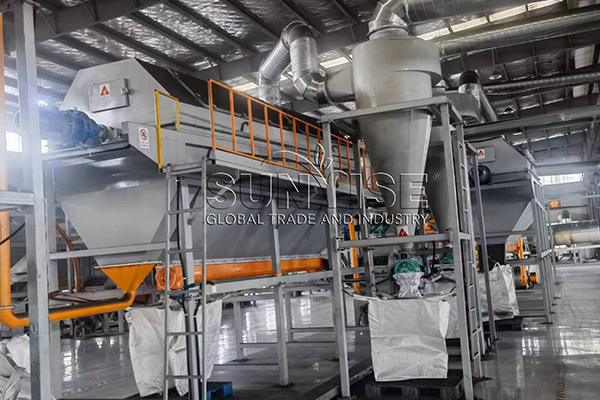
As the demand for lithium batteries continues to surge, driven by the proliferation of electric vehicles and portable electronics, the need for sustainable recycling methods has never been more pressing. But we should not only focus on economic benefits, right? Recycling these batteries in an environmentally friendly manner is crucial for reducing their overall carbon footprint. How to achieve this? Read the actionable strategies SUNRISE outlined below.
Optimizing Transportation Logistics
The transportation of waste batteries from collection points to recycling facilities can contribute significantly to the carbon footprint. To mitigate this:
Localize Collection and Processing: Establish multiple regional collection centers to minimize the distance batteries must travel, thus reducing emissions associated with long-haul transport.
Eco-Friendly Transportation: Utilize electric or hybrid vehicles for transporting batteries. Coordinating logistics to maximize load efficiency can also help lower emissions per battery.
Enhancing Energy Efficiency
Recycling facilities must focus on energy efficiency as a priority to reduce their carbon footprint.
Upgrade Equipment: Invest in high-efficiency machinery that consumes less energy without compromising performance.
Heat Recovery Systems: Implement systems to capture and reuse waste heat generated during recycling processes, thus conserving energy.
Maximizing Material Recovery
High recovery rates mean fewer raw materials are needed, reducing upstream carbon emissions associated with mining and processing.
Advanced Sorting Techniques: Use technologies like robotics and AI for precise sorting, ensuring maximum recovery of batteries’ valuable materials.
Closed-loop Systems: Develop systems where recovered materials are fed back into the production of new batteries, minimizing the need for virgin materials.
Effective Waste Management
Proper management of byproducts and waste can prevent additional emissions and environmental harm.
Capture Harmful Emissions: Use scrubbers and filters to capture and neutralize harmful emissions during recycling.
Responsible Disposal: Ensure that any residual waste is disposed of in a manner that minimizes environmental impact.
Empowering and Educating Workforce
A well-informed workforce can make a significant difference in reducing emissions.
Training Programs: Regularly train employees on sustainable practices and the importance of reducing carbon emissions.
Encourage Innovation: Foster a culture of continuous improvement and sustainability where employees are encouraged to suggest and implement eco-friendly practices.
“By integrating these strategies, the lithium battery recycling industry can significantly reduce its carbon footprint, contributing to a more sustainable future. As technology evolves, continuous innovation and dedication to environmental stewardship will be pivotal in achieving these goals.”
500kg/h Lithium Battery Recycling Plant aprovechamiento de residuos battery recycling battery recycling investment battery recycling technology capacity planning Circuit Board Recycling Methods daily operation dismantle solar panels e-waste recycling economía circular emission control emission reduction empresas industriales EPC delivery e waste recycling equipment feedstock quality industrial park industrial plants landfill diversion Lithium battery recycling lithium battery recycling equipment operating cost proceso de reciclaje de placas de circuito process efficiency processing capacity public funding PV module recycling PV recycling plant reciclaje de baterías reciclaje industrial recuperación de materiales recycling efficiency recycling machine regional waste targets silver recovery solar module recycling solar panel recycling solar panel recycling line solar silver recovery solution project delivery Start a Solar Panel Recycling Plant supplier comparison tender evaluation tire recycle tire recycling business
Leave a Reply