
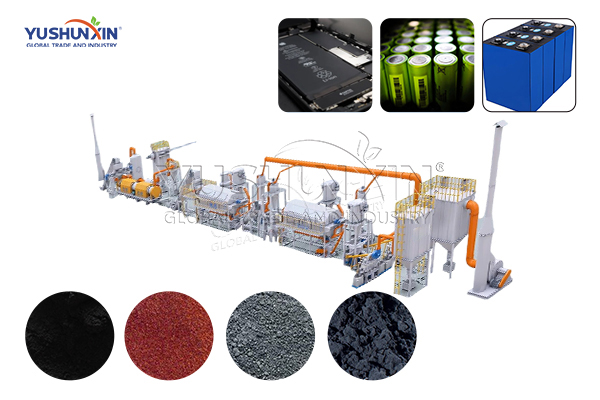
A black mass recovery process supports circular economy goals at an industrial park when battery collection, processing and downstream use share one efficient material loop. The black mass recovery process layout design connects receiving, storage, dismantling, shredding, drying, separation and product dispatch inside a layout that minimizes transport and contamination. circular economy goals become measurable through higher recovery, lower disposal and local return of metals and battery materials. The park can coordinate permits, fire response, wastewater treatment and shared utilities for several tenants. A well-planned recovery line turns scattered battery waste into a reliable input for manufacturers and refiners. The layout therefore needs to support both the recycling plant and the industrial park’s wider material network.
Which site features make a black mass recovery process layout design work in an industrial park?
The plant needs a dedicated receiving area, safe battery storage and a route that keeps hazardous material away from unrelated production. A circular economy battery recycling in industrial parks places dismantling, shredding, drying and separation in a logical sequence that minimizes transfer distance and dust exposure. The layout also reserves space for laboratory sampling, spare parts and outbound product. Shared power, water and waste treatment can lower cost when the park has enough capacity. Fire access and emergency response require early coordination with neighboring tenants. A clear site plan protects the recycling facility and allows the park to expand collection without blocking roads or utility corridors.
How does material flow improve the circular economy value of a battery recycling plant?
The process separates copper, aluminium and black mass while keeping each fraction clean enough for the next user. A black mass recovery line for industrial park measures yield, moisture and contamination at every transfer point. The related hydrometallurgical lithium battery recycling plant route shows how black mass can move into hydrometallurgical recovery or another qualified downstream process. A park with a local refiner or battery-material buyer reduces transport and shortens the return loop. The plant also records how much material leaves as residue and whether another tenant can use a by-product. These measurements turn the circular economy concept into a practical material balance that the park authority and companies can improve over time.
Which shared services reduce cost and risk for a park-based battery recovery project?
Common utilities, fire protection, wastewater treatment, security and emergency response can serve several tenants more efficiently than separate systems. The recycling operator still verifies that the shared service meets battery-specific safety and environmental requirements. A central laboratory may support incoming inspection and product testing, while a common logistics platform coordinates battery collection. The park can also organize training for handling damaged cells. These services lower capital cost and strengthen control across the material chain. The project team defines responsibilities and fees in a service agreement so the recycling line does not depend on an informal promise from another facility.
Which metrics show that a park’s battery recovery process delivers circular economy results?
The operator tracks battery input, recovered copper and aluminium, black mass output, moisture and residue. The park combines those figures with transport distance, shared energy use and the amount of recovered material sold to local users. A monthly review identifies contamination, downtime and the stages that limit recovery. The plant compares actual performance with the original mass balance and updates the improvement plan. Independent sampling confirms that the black mass meets the buyer specification. These records support permits, financing and communication with park tenants. They also show whether the project reduces waste at the system level rather than simply moving material from one site to another.
Conclusion for industrial park developers and battery recyclers
A park-based black mass recovery project advances circular economy goals when layout, shared services and downstream buyers form one connected system. The operator needs a clean material flow, verified product quality and measurable diversion from disposal. A battery recycling park project engineers that reviews the plant layout and equipment scope helps the park compare shared infrastructure with standalone options. Clear emergency and environmental responsibilities protect every tenant. The 500 kg/h battery recycling reference appears at https://www.sxlbp.com/products/500kg-h-lithium-battery-recycling-plant-for-sale/ for the next park planning study.